
This korean tuna pasta salad is a fun twist on traditional pasta salad that comes together in no time. It’s a spicy, savory dish that brings together Korean flavors and classic pasta, making it an exciting meal option.
This recipe addresses limited cooking time, provides a quick meal solution, and offers a tasty option for kids’ lunches.
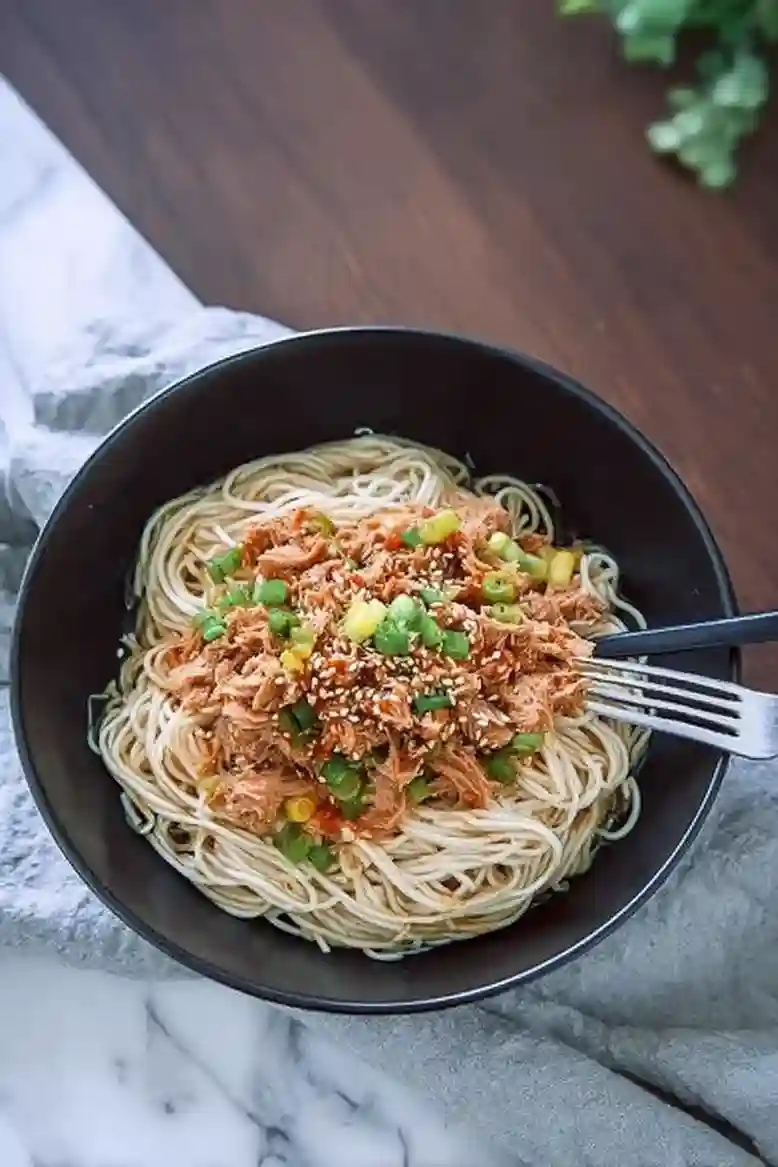
Sometimes, I find myself in a rush at lunchtime. It’s tricky to whip up something satisfying, especially with a busy schedule. That’s why I love this recipe, it’s quick and easy, so I can get lunch on the table in under ten minutes.
What’s great about this salad is you can make it with ingredients you probably already have in your kitchen. Prepping takes only about five minutes, and then you just cook it for three more. That’s it! You get a tasty meal without spending a lot of time.
If you want something light but still filling for your lunch or dinner, give this a try! If you’re in the mood for another refreshing dish, you might like this Lemony Salmon Asparagus Orzo Salad.
Why You Will Love This Recipe
- Flavor Fusion , The spicy, savory, and tangy blend of Korean flavors mixed with pasta makes every bite something special. It’s a delicious twist on a classic dish.
- Quick and Easy , Ready in under 10 minutes, this salad is a lifesaver on busy days when you need a satisfying meal without the fuss.
- Kid-Friendly , This salad is a hit with kids and adults alike, making it a great choice for lunches or quick dinners that keep everyone happy.
- Storage Savvy , You can easily save any leftovers in the fridge for up to two days, so it’s perfect for meal prep or making ahead of time.
Ingredient Notes
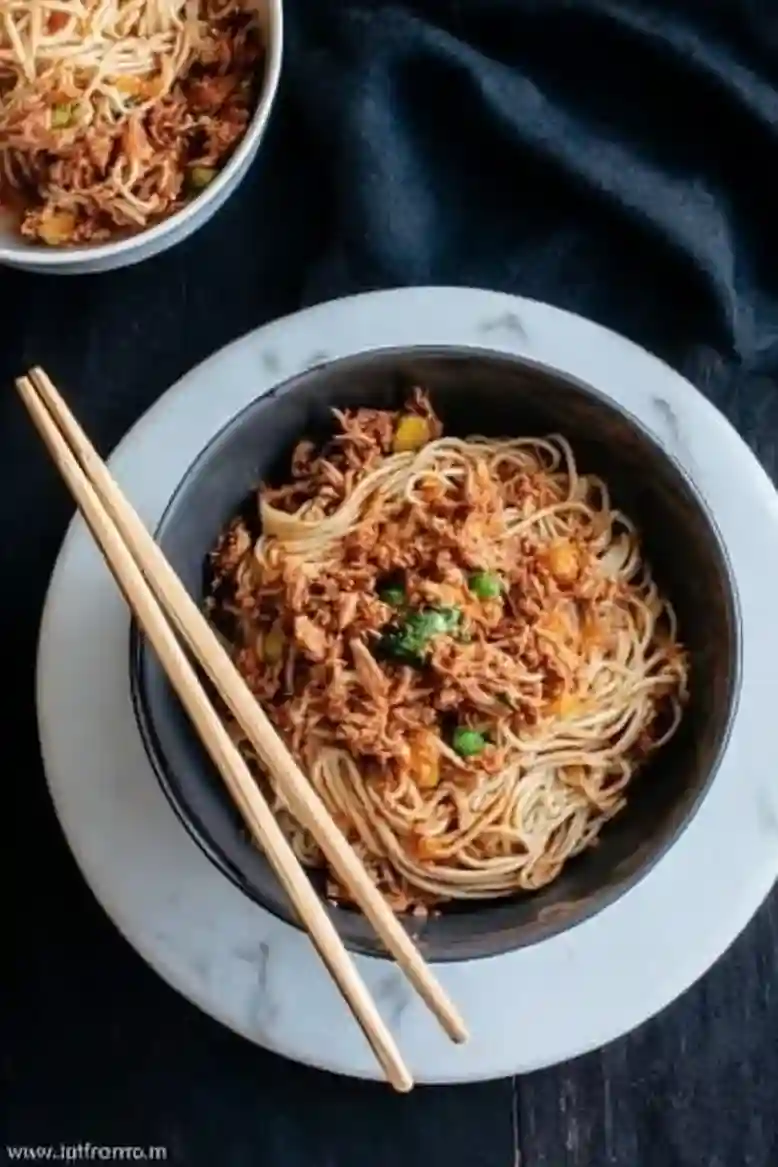
- Canned tuna: This is the heart of our salad! Go for solid white tuna for better texture. You can also swap in canned salmon if you’re feeling adventurous.
- Mixed vegetables: They add color and crunch. Frozen veggies work great here for convenience, just toss ’em in without any fuss!
- Onion: Fresh diced onion gives a nice bite, making the salad pop! Red onions are great for their mellow flavor. If you prefer, green onions can be a milder option.
- Gochujang: This Korean chili paste packs a spicy punch. Grab a good quality brand for the best flavor. You can mix in sriracha if you’re out of gochujang.
- Ketchup: It adds a touch of sweetness and helps balance the heat. Feel free to use organic or even homemade if you have some on hand for an extra kick!
Keep scrolling to the recipe card below for the full printable recipe!
Recipe Tips
- If the tuna ends up too dry, just warm it through instead of overheating it for a more pleasant texture.
- When you want to save time, opt for canned or frozen vegetables to make preparation quick and easy.
- If the salad seems bland, adjusting the gochujang and honey can help find the right balance of spice and sweetness.
- For perfectly cooked pasta, keep an eye on it while boiling to maintain that desirable al dente texture.
- If serving over rice or pasta, consider doubling the sauce for added flavor and moisture.
Serving Suggestions
- Serve this tuna pasta salad with steamed rice and Korean side dishes for a satisfying meal. You can also toss it with spaghetti and garnish with green onions for added flavor.
- This salad works well wrapped in lettuce leaves, providing a low-carb option for lunch or dinner. You can also incorporate it into picnic lunches or potluck spreads for variety.
- Try complementing the salad with a spicy mayo or a drizzle of sesame soy sauce on top. These options add another layer of flavor to the dish.
Storage Guidelines
- To keep your tuna pasta salad fresh, follow these storage tips:
- Refrigeration: Store leftovers in an airtight container in the refrigerator for up to 2 days. Check for freshness before serving.
- Freezing: Wrap portions tightly in plastic wrap, then place in a freezer bag. Freeze for up to 3 months. Thaw overnight in the refrigerator.
- Serving Preparation: When ready to serve, mix well after thawing. Add a splash of olive oil to refresh flavors.
Recipe Variations
- You can use cooked chicken or shrimp instead of tuna for a different protein option.
- Add 1 tsp garlic powder and a squeeze of lime juice for extra brightness and flavor.
- Either swap the mixed vegetables for diced bell peppers or use cherry tomatoes for a fresh taste.
- If preparing a larger batch, increase the amounts to 370 g tuna, 100 g mixed vegetables, and 30 g onion.
Did you make this recipe? Scroll down to leave a star rating and review!
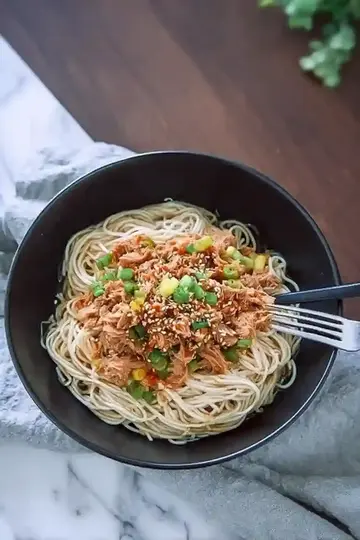
Korean Spicy Tuna Pasta Salad
Equipment
- Pan
- Stirring spoon
- Measuring spoons
Ingredients
- 185 g canned tuna drained
- 50 g mixed vegetables chopped (e.g. sweet corn, baby peas, bell peppers, or carrots)
- 20 g onion diced
- 1 Tbsp cooking oil rice bran oil recommended
- 1 Tbsp gochujang Korean chili paste
- 2 Tbsp ketchup
- ½ Tbsp honey
- 1 tsp toasted sesame seeds for garnish
Instructions
- Start by heating the cooking oil in a pan until it’s shimmering. You’ll know it’s ready when you see little ripples on the surface. This is key for sautéing the vegetables right and bringing out their flavors. Do not leave it unattended to avoid burning.
- Toss in the diced onion and your mixed vegetables to the hot oil. Stir them for a couple of minutes until the onions turn translucent and fragrant. This adds a nice crunch while softening the veggies. Just watch out for overcooking; you want them to remain vibrant.
- Add the drained tuna to the pan and break it up gently with a spatula. Then, stir in the gochujang, ketchup, and honey until it is well mixed. The mixture should be slightly sticky and hold a nice color. Keep an eye on it to prevent burning, as the sugars in the sauce can caramelize quickly.
- Once everything is combined, toss your cooked pasta into the pan. Stir to coat it with the spicy mixture, heating it through for a minute. It should start looking deliciously glossy. Be careful not to let it sit too long to avoid mushy pasta.
- Finish up by sprinkling toasted sesame seeds on top for added texture and flavor. It should look inviting and colorful. Serve it immediately while it is warm. Just remember, if you leave it too long, the pasta may soak up too much sauce.
Leave a Reply